
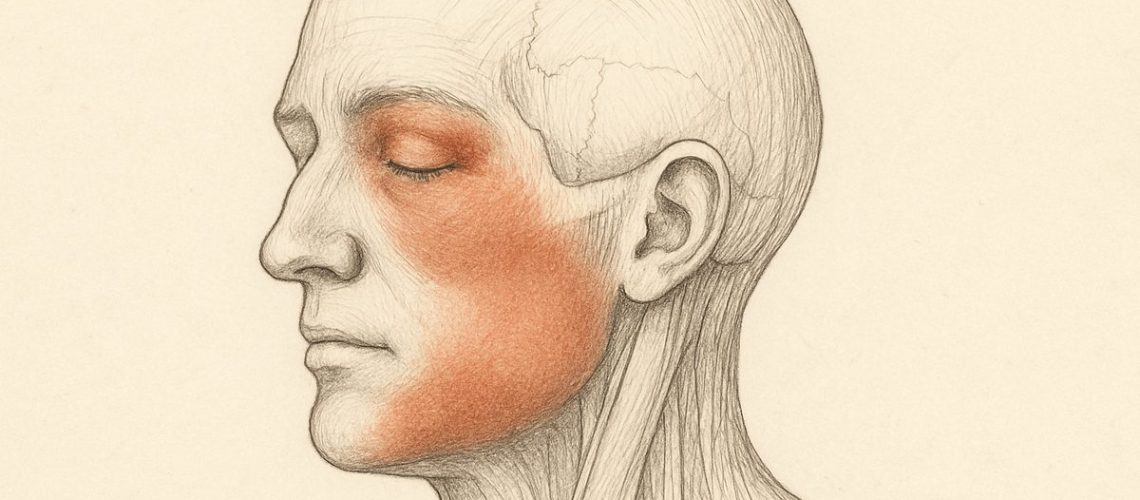
In this blog, we’ll answer common patient questions: is bruising normal after wisdom tooth extraction in Dallas–Fort Worth, what causes it, how long it lasts, when to worry, and simple steps to heal.
Why bruising can happen after wisdom tooth extraction
Bruising happens when small blood vessels under the skin break during surgery and blood pools in the surrounding tissue. Wisdom tooth removal can cause this because the gums and bone are being moved and stretched. The force needed for a difficult extraction and normal inflammation during healing both add to the chance of bruising. Even with gentle techniques, some patients will see discoloration on the jaw, cheek, or under the eye as the body responds to the tissue trauma.
Typical timeline: when bruising appears and how it changes
Right after surgery most people notice swelling first, usually within 24–48 hours. Bruising commonly appears a bit later, often between day 2 and day 5. At first the bruise may look red or dark purple, then shift to blue or green, and finally yellow as it fades. Most bruises noticeably improve by one week and are mostly gone by two weeks. Healing speed varies with age, skin tone, and how much tissue was affected.
What normal bruising looks like vs. worrying signs
Normal bruising is usually: – Limited to the cheek, lower eyelid, or jaw near the surgical site – Gradual in color change from dark to yellow-green – Associated with mild to moderate tenderness that improves each day Call your surgeon right away if you see: – Bruising that spreads quickly to the neck or eye – Heavy bleeding that won’t stop after repeated pressure – High fever or chills, pus or foul drainage from the wound – Severe, worsening pain not controlled with prescribed meds – Trouble breathing, swallowing, or opening your mouth
Factors that increase your risk of bruising
Medications and supplements
Blood thinners (like warfarin or direct oral anticoagulants), aspirin, and some herbal supplements (fish oil, ginkgo, vitamin E) can make bruising worse. Always tell your surgeon about prescription drugs and over-the-counter supplements before surgery.
Medical conditions
Bleeding disorders, liver disease, and certain chronic illnesses affect clotting and healing. If you have a history of easy bruising or abnormal bleeding, your surgeon may order tests or adjust the treatment plan.
Surgery-related factors
More complex extractions, impacted or multiple wisdom teeth, and longer surgery times raise the chance of bruising. Smoking and older age can slow healing and make bruising last longer.
Simple self-care to reduce bruising and help healing
Early care matters. For the first 48 hours use ice packs on the outside of the cheek for 20 minutes on, 20 minutes off to limit swelling and minimize bleeding into tissues. Keep your head elevated while resting. After 48–72 hours, switch to warm compresses for 10–15 minutes several times a day to help the body reabsorb pooled blood. Keep your mouth clean with gentle rinses as directed, eat soft foods, avoid heavy lifting or strenuous exercise, and do not smoke. Take medications exactly as prescribed and avoid aspirin unless your doctor approves it.
When to call your oral surgeon about bruising
Contact your oral surgeon immediately if you have: – Bleeding that won’t stop after firm pressure for 20–30 minutes – Rapidly spreading bruising toward your eye or down your neck – A fever over 101°F (38.3°C) or chills – Increasing pain despite medication – Difficulty breathing, swallowing, or severe swelling blocking the airway – Any signs of infection such as pus, bad smell, or persistent numbness
How Texas Center for Oral Surgery & Dental Implants supports safe recovery
Board-certified surgeons at Texas Center use modern, minimally invasive methods and clear pre-op and post-op instructions to reduce tissue trauma and lower bruising risk. We offer on-site IV sedation when needed and use tools like 3D imaging and PRF (platelet-rich fibrin) to plan surgery precisely and support faster soft-tissue healing. If bruising or other concerns arise, our team provides easy follow-up and guidance to get you back on track.
Follow-up expectations
You’ll typically have a follow-up visit within one to two weeks after surgery so the surgeon can check healing, remove any sutures if needed, and answer questions. Bring a list of your medications and any supplements you take. Do not stop or change blood thinners without talking to your prescribing doctor and your surgeon.
Come to Our Office to Learn More Bout Wisdom Tooth Extractions, Today!
If you’re ever unsure whether bruising is normal, call your surgeon—early advice can prevent complications. If you have questions about recovery after wisdom tooth extraction, reach out to the team for help.