
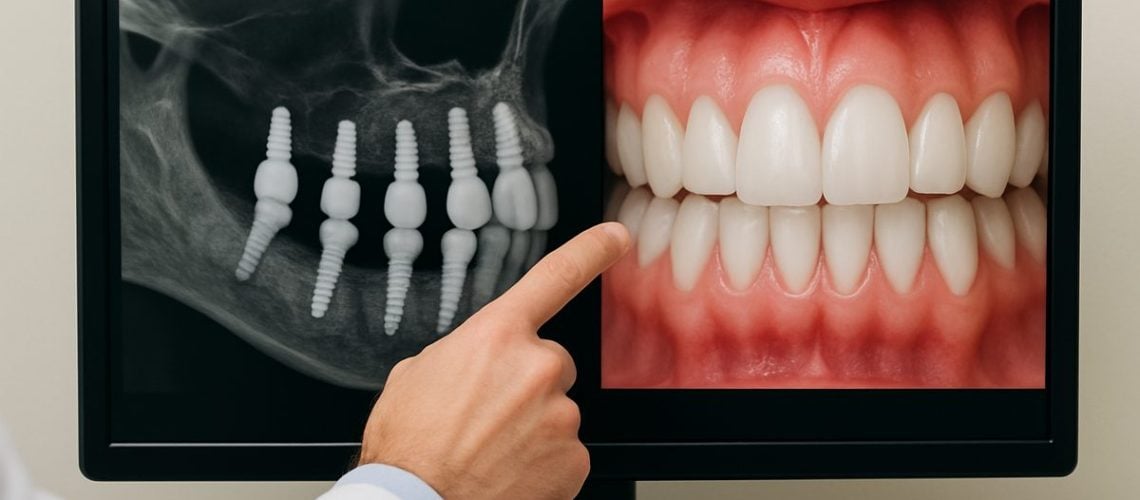
Dental implants and periodontics work hand in hand to replace missing teeth and maintain the health of the tissues around them. This post explains who is a candidate, the treatment steps, risks, recovery, and when to see a specialist. You’ll learn how gum and bone health affect implant success, what to expect during surgery and restoration, and how ongoing periodontal care prevents problems.
How dental implants and periodontics work together
Dental implants act like artificial tooth roots, while periodontics focuses on the gums and bone that support teeth and implants. Healthy gum tissue and a strong jawbone are essential for an implant to integrate and remain stable. Periodontists and surgeons monitor peri-implant tissues—gum and bone around the implant—to prevent inflammation and ensure long-term success.
Who is a candidate: periodontal considerations
Gum disease and bone loss
Active gum disease and bone loss reduce implant success. Infected or inflamed gums need treatment before implants are placed. Periodontal therapy—scaling, root planing, or grafting—can restore tissue health and rebuild lost bone, providing an implant with a stable foundation.
Medical factors and lifestyle
Diabetes control, smoking, certain medications, and oral hygiene affect healing and implant longevity. Poorly controlled diabetes and smoking slow healing and raise the risk of failure. A dentist or periodontist will review medical history and habits and may recommend changes before moving forward.
The treatment timeline for dental implants
Consultation & digital planning
The first visit includes an oral exam, periodontal assessment, and 3D imaging to check bone and gum anatomy. Digital planning helps place implants in the best position and identifies any periodontal work needed before surgery.
Surgery: placement, bone grafting, and techniques
Implant surgery places a titanium or ceramic post into the jaw. If the bone is too thin, bone grafts or sinus lifts may be required first. Guided and minimally invasive techniques protect gum tissue and improve accuracy, reducing trauma and speeding recovery.
Restoration & follow-up
After healing, a crown, bridge, or denture is attached to the implant. Healing times vary but often take a few months. Regular periodontal checks after restoration help detect early signs of trouble and keep tissues healthy in the long term.
Recovery, maintenance, and preventing complications
Short-term recovery includes rest, ice, soft foods, and following home-care instructions. Long-term maintenance means daily brushing and flossing around implants, routine professional cleanings, and periodic periodontal exams. Watch for redness, bleeding, pain, or any looseness—early treatment of peri-implantitis improves outcomes.
Common risks and how specialists reduce them
Risks include infection, implant failure, nerve or sinus issues, and peri-implantitis. Specialists lower these risks through careful imaging, coordinated planning between surgeons and periodontists, sterile technique, and evidence-based protocols. Complex cases benefit from specialist care for predictable results.
Why choose Texas Center for Oral Surgery & Dental Implants
Texas Center for Oral Surgery & Dental Implants offers board-certified oral surgeons, an in-house digital lab, and advanced tools that support reliable periodontal and implant care. Technologies like X-Nav dynamic guidance, I-CAT CBCT, PRF for healing, 3D printing, and zirconia milling help deliver precise, efficient treatment and single-day full-arch options with concierge coordination.
Next steps: finding the right team
Bring recent X-rays, a list of medications, and your dental history to a consultation. Ask about periodontal treatment before implants, imaging used, and timelines for surgery and restoration. If you suspect gum disease or need complex reconstruction, request a consultation with a specialized surgical team to evaluate your options and schedule an evaluation.