
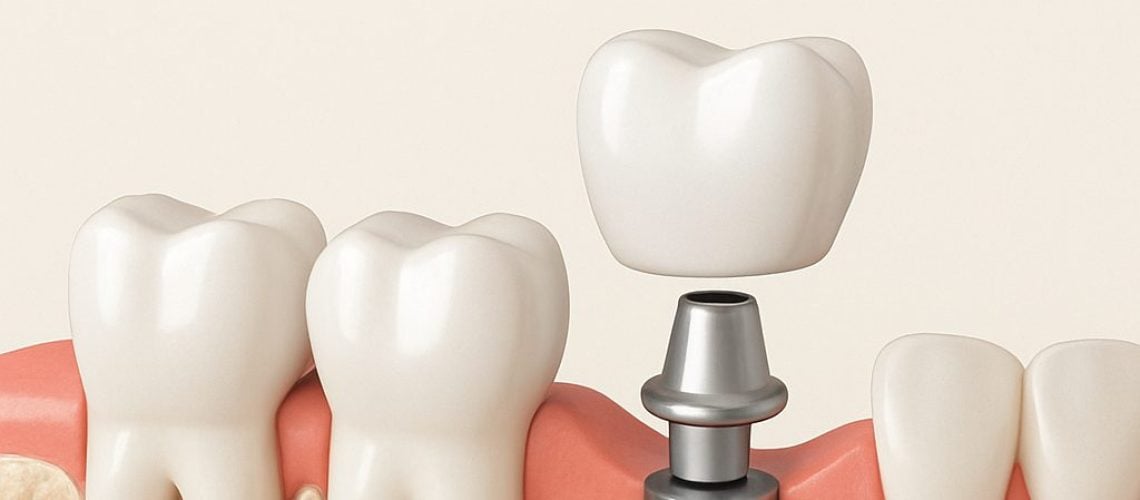
Endosteal implant placement is the most common type of dental implant procedure. It means a root-form implant is placed directly into the jawbone to replace one or more missing teeth. This article explains who is a good candidate, how the surgery is planned and performed, what recovery looks like, and how risks and costs are managed—so you know what to expect from endosteal implant placement in Dallas–Fort Worth.
What Is Endosteal Implant Placement?
Endosteal implants are small screws or cylinders inserted into the jawbone to serve as tooth roots. Most are made from titanium or high-strength zirconia. They can support a single crown, an implant-supported bridge for multiple teeth, or a full-arch restoration that replaces an entire upper or lower arch.
How the Procedure Is Planned
Clinical exam and imaging
Planning starts with a clinical exam and 3D imaging. CBCT scans show bone height, nerve locations, and sinus position. Intraoral scans map your bite and tooth positions. These images let the surgeon plan the exact implant size and placement.
Digital planning and surgical guides
Virtual planning software creates a model of your jaw and simulates implant placement. According to that plan, a 3D-printed surgical guide or a dynamic navigation system helps the surgeon place implants precisely. These tools reduce risk and speed recovery.
Step‑by‑Step: The Endosteal Implant Placement Procedure
Consultation and preparation
During the consultation, the surgeon reviews your health history, medications, and imaging. You’ll get pre-op instructions like fasting for sedation and stopping certain meds if needed. Questions about anesthesia and the timeline are addressed.
Surgery day
You’ll receive local anesthesia, oral sedation, or IV sedation depending on the plan. The surgeon makes a small incision, prepares the bone, and inserts the implant. If needed, bone grafting or a sinus lift is performed the same day or beforehand to ensure adequate bone support.
Immediate vs delayed loading
In some cases, a provisional tooth is placed the same day (immediate loading). Others wait several months for osseointegration—the bone fuses to the implant—before placing the final crown (delayed loading). The surgeon recommends the best option based on stability and bone quality.
Risks, Complications, and How They’re Managed
Short-term effects include swelling, bruising, and mild pain controlled with meds. Rare complications are infection, implant failure, or nerve irritation. Follow-up visits monitor healing; call the surgeon for severe pain, fever, numbness, or uncontrolled bleeding.
Recovery Timeline and Aftercare
First 24–72 hours focus on rest, ice, soft foods, and pain control. Stitches usually dissolve or come out in 7–10 days. Bone integration takes 3–6 months for most patients. Maintain gentle oral hygiene, follow diet guidance, and attend scheduled check-ups.
Who Is a Good Candidate for Endosteal Implant Placement?
Good candidates have adequate bone, controlled medical conditions, and realistic expectations. Nonsmokers do best; smokers should quit before and after surgery to improve healing. If bone is insufficient, grafting or a sinus lift may be required. Alternatives include bridges or removable dentures if implants aren’t suitable.
Costs and Factors That Affect Price
Cost varies by number of implants, need for bone grafts, imaging, type of final restoration, and surgeon experience. Digital tools and in-house lab work can affect price but improve predictability. Financing plans are often available; prioritize value and experience over the lowest price.
Why Choose a Board‑Certified Oral Surgeon for Endosteal Implant Placement
Board-certified oral surgeons bring advanced training in bone and soft-tissue management and sedation. The Texas Center for Oral Surgery & Dental Implants offers experienced surgeons, 3D imaging, dynamic guidance, and an in-house digital lab to support precise, predictable results with comfortable care.
Next Steps: Preparing for a Consultation
Bring your medical history, a list of medications, and any prior dental images. Ask about anesthesia options, expected timeline, and estimated costs for endosteal implant placement in Dallas–Fort Worth. To schedule an evaluation or get more information, contact the practice and request a consultation.