
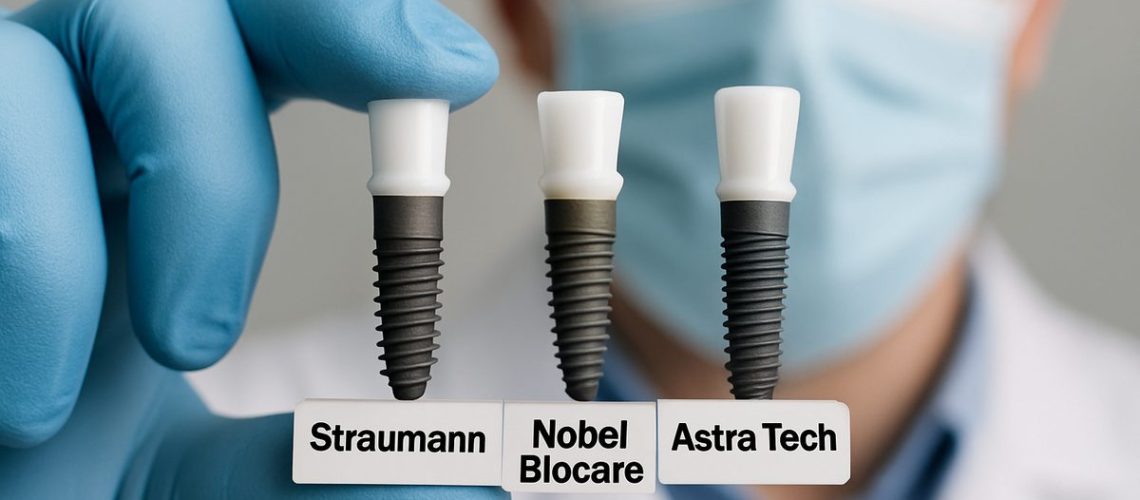
This guide explains the different types of dental implants in Dallas–Fort Worth Metroplex and why choosing the right option matters for chewing, appearance, and long-term oral health. You’ll learn the main implant types, common materials and components, how clinicians pick the best solution, and how modern tech improves outcomes. Use this to prepare questions for your dentist or to evaluate options for dental implants in Dallas–Fort Worth Metroplex.
Common types of dental implants
Endosteal (root-form) implants
Endosteal implants are the most used type of dental implants. They are screw-shaped implants made of titanium or titanium alloy that are placed into the jawbone to act like tooth roots. Pros include high stability, wide availability, and long-term success. Cons can include the need for adequate bone and a healing period of several months for osseointegration. Typical recovery involves minor swelling and soreness for a few days, with full integration taking 3–6 months before final restoration.
Subperiosteal implants
Subperiosteal implants sit on top of the jawbone under the gum, instead of being placed into the bone. They are used when jawbone height is too low for endosteal implants and the patient wants to avoid bone grafting. Pros: can avoid grafting and may suit some medically complex patients. Cons: less common today, lower long-term success compared with endosteal implants, and more complex fitting under the gum.
Zygomatic implants
Zygomatic implants anchor into the cheekbone (zygoma) and are used for severe upper-jaw bone loss. They bypass the need for extensive bone grafting and can support full-arch restorations for patients who otherwise cannot receive standard implants. These are advanced procedures recommended when other options are not predictable; they require specialized surgical experience.
Mini dental implants
Mini dental implants are narrower than standard implants. They are often used for temporary stabilization of dentures, for narrow spaces, or when bone volume is limited. Benefits include less invasive placement and faster recovery. Limitations: lower load capacity and not always suitable for long-term single-tooth replacement in high-stress areas.
Full-arch solutions (All‑on‑4 / single-day full-arch)
Full-arch implant solutions use multiple implants to support a fixed bridge or denture. All‑on‑4 / single-day full-arch places four implants per arch at strategic angles to maximize bone support. Single-day full-arch means you can receive fixed provisional teeth the same day as surgery. Candidates include people with many failing teeth or no teeth who want a stable, toothlike prosthetic. These options restore function and appearance quickly compared with replacing each tooth individually.
Materials and components of dental implants
Titanium vs. zirconia implants
Titanium is the traditional material for dental implants because it is strong, durable, and highly biocompatible. Zirconia (a ceramic) is metal-free and offers a white color that can be advantageous for thin gums or cosmetic cases. Titanium tends to have the longest track record and slight advantages in strength; zirconia is improving and preferred by some patients for aesthetic or metal-free preferences.
Abutments and final prosthetics
The abutment connects the implant to the visible crown, bridge, or denture. Options include titanium, zirconia, and hybrid abutments. Final prosthetics range from single crowns to implant-supported bridges and full-arch prostheses. Zirconia restorations are strong, stain-resistant, and very aesthetic for front teeth, while porcelain-fused-to-metal and hybrid designs remain common for different needs.
How clinicians choose the right dental implants in Dallas–Fort Worth Metroplex
Bone volume and need for grafting
Bone height and width are the first considerations. Adequate bone supports standard endosteal implants; low bone may lead clinicians to recommend subperiosteal, zygomatic implants, mini implants, or grafting and sinus lifts. CBCT imaging helps determine if grafting is needed.
Number and position of missing teeth
Single-tooth gaps are often best treated with a single implant and crown. Multiple missing teeth may use bridges or several implants. Full-arch planning may use All‑on‑4 or more implants depending on bite force and bone. Position affects implant size and angulation.
Medical history, habits, and expectations
Health factors—diabetes control, smoking, osteoporosis medications—affect healing and implant choice. Patient goals, timeline, and budget also shape whether clinicians recommend same-day restorations, staged grafting, or a more conservative approach.
How modern technology changes implant options and outcomes
3D imaging and digital planning (CBCT, intraoral scanners)
CBCT and intraoral scanners let clinicians see bone, nerves, and tooth positions in 3D. Digital planning improves implant selection, placement angle, and prosthetic design, reducing surprises and complications for patients seeking dental implants in Dallas–Fort Worth Metroplex.
Guided surgery, dynamic navigation, and in‑house digital labs
Guided surgery and dynamic navigation allow precise implant placement. In-house milling and 3D printing enable same-day provisional restorations and custom prosthetics. These tools speed treatment and increase predictability, especially for single-day full-arch cases.
Looking for dental implants in Dallas–Fort Worth Metroplex? Why a specialist matters
Board-certified oral and maxillofacial surgeons have multi-year hospital training and experience with complex options like zygomatic implants and single-day full-arch restorations. A specialist can offer IV sedation, advanced imaging, and technologies that reduce risk and speed recovery. The Texas Center for Oral Surgery & Dental Implants operates with these capabilities—using X‑Nav dynamic guidance, in-house zirconia milling, 3D printing, CBCT imaging, and PRF for improved healing—while providing concierge support for patients and referring dentists.
Next steps: evaluating candidacy and scheduling a consultation for dental implants in Dallas–Fort Worth Metroplex
At a consultation you should expect a clinical exam, CBCT scan, discussion of your medical history, and a clear treatment plan that covers timing, costs, and financing. Ask about implant types, materials, expected recovery, and whether same-day options are appropriate for you. If you’re ready, book an evaluation or ask your dentist for a referral to a specialist experienced in dental implants in Dallas–Fort Worth Metroplex.