
Preparing For A Tooth+Implant: What To Expect Before Surgery
Planning before a tooth+implant makes surgery safer and recovery smoother. Your surgeon will gather medical and dental information, confirm the imaging, and provide clear instructions on medications, fasting, and home care. Read these points to understand which records and steps are needed in the days leading up to your appointment.
Pre-operative medical and dental checks
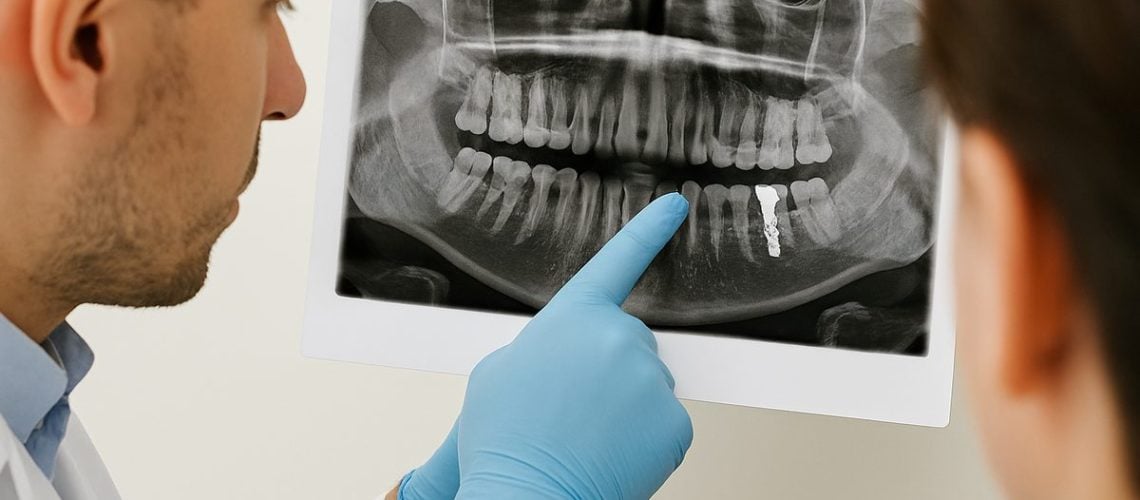
You’ll be asked about your full medical history, recent illnesses, and current medications. Good blood sugar control is essential if you have diabetes—high glucose raises infection risk and slows healing. Recent X-rays or a CBCT scan are required to map bone volume, nerve location, and sinus position. These images help the team plan implant size, angle, and whether bone grafts or sinus lifts are needed to achieve a stable result.
Medications, smoking, and clearances
Some medicines affect bleeding and healing. Your surgeon will tell you whether to stop blood thinners (like warfarin or some DOACs) or temporary antiplatelet therapy—always follow your prescribing doctor’s advice before stopping meds. Long-term bisphosphonates or denosumab may require medical review before implant surgery. Tobacco raises the risk of infection and implant failure; quitting even a few weeks before and after surgery lowers complications. If you have heart, lung, or bleeding disorders, your surgeon may request medical clearance from your physician.
What to expect the week of surgery
If you’ll have IV sedation or general anesthesia, you’ll likely need to fast (no food or drink) for 6–8 hours before the appointment. Arrange for a responsible adult to drive you home and stay with you that day. Stock soft, nutritious foods (yogurt, mashed potatoes, soups, smoothies) and over-the-counter pain meds like ibuprofen and acetaminophen unless your surgeon advises otherwise. Have ice packs, gauze, salt for rinses, and any prescribed antibiotics or mouthwash ready at home.
Questions to ask at your consultation
Prepare a short list, so you leave the consult informed. Ask: Which implant brand and material will be used? What sedation options are available and recommended for me? How long is the healing timeline and when will the crown be placed? Can I get an itemized estimate of all fees and any likely add-on costs? Who do I call after hours for concerns or emergencies?
Aftercare And Long-Term Maintenance
Signs Of A Problem After A Tooth+Implant — When To Call Your Surgeon
Most healing after a tooth+implant is straightforward, but some signs mean you should contact your surgeon right away. Know the immediate red flags and later warning signs so problems are caught early and treated promptly.
Immediate red flags (first 48–72 hours)
Call right away for persistent heavy bleeding that soaks through gauze after an hour, pain that is not controlled by prescribed medication, a fever over 101°F (38.3°C), or if the surgical wound opens and tissue or bone is exposed. Severe nausea, vomiting after anesthesia that prevents taking meds or liquids, or sudden numbness that did not improve within hours, also requires urgent attention.
Late warning signs (weeks to months)
If you notice increasing pain or swelling after the first few days, loosening or movement of the implant, yellow or foul drainage (pus), or a change in how your bite feels, these may indicate infection or failed integration. New or worsening numbness, continuous bad taste or odor, or gum recession exposing metal parts also need timely evaluation.
Basic self-care and triage steps
Before you can be seen, do gentle saline rinses (1/4–1/2 teaspoon salt in warm water) a few times daily to keep the area clean. Avoid chewing on the surgical side, stop smoking, and continue prescribed antibiotics and pain meds as directed. Take photos of swelling, drainage, or wound opening to show the surgeon. Do not try to remove an exposed implant or deep suture on your own.
What to bring to an urgent visit
Bring any recent X-rays or CBCT scans if you have them, a complete list of current medications (including blood thinners), and photos of the surgical site taken on your phone. If you were given a temporary crown or bridge, bring it with you. Having this information helps the surgeon diagnose the issue faster and choose the right treatment.