
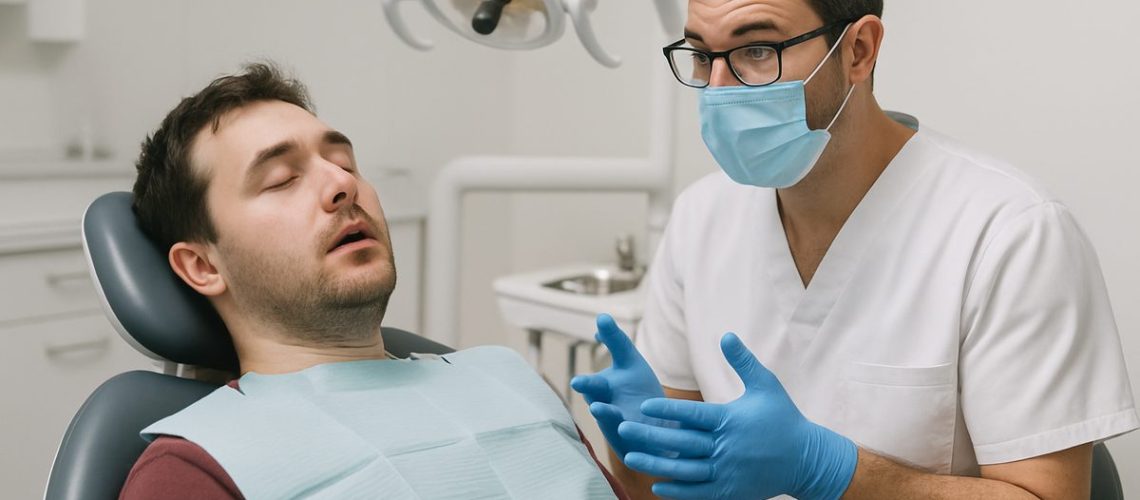
After a tooth implant post surgery you can expect a predictable recovery pattern if you follow aftercare instructions. Most patients move through short periods of bleeding and swelling, then soft-tissue healing, and finally bone integration over months. Good wound care, rest, and following your surgeon’s directions cut complications and speed recovery. Below is a clear, practical guide to what most people feel and do after their dental implant procedure and when to call for help.
Immediate Recovery: First 24–48 Hours After a Tooth Implant Post Surgery
Expect some bleeding, swelling, and mild to moderate pain right after surgery. Sedation can leave you groggy for several hours. Rest with your head elevated, apply ice packs in 20-minute intervals for the first 24 hours, and use prescribed or over-the-counter pain medicines as directed. Bite gently on gauze to control bleeding and change it only when soaked. Avoid spitting or rinsing vigorously the first day to protect the clot.
Short-Term Healing: Days 3–14
Soft-tissue healing
Around days 3–7 the swelling should peak then slowly decrease. Gums begin to close around the dental implant and stitches may dissolve or be removed during a follow-up. Mild bruising or a feeling of tightness is common. By day 10–14 most soft-tissue discomfort is much improved.
Oral hygiene and wound care
Keep the mouth clean without disturbing the site. Brush other teeth normally but be gentle near the dental implant. Start salt-water rinses (½ teaspoon salt in 8 oz warm water) 24 hours after surgery, rinsing gently 3–4 times daily. Do not use a straw, avoid vigorous spitting, and skip electric water flossers near the site until cleared by your surgeon.
Pain, Swelling, and Signs to Watch For
Normal pain is mild to moderate and should steadily improve after day 2–3. Red flags that need prompt attention include increasing pain or swelling after day 3, heavy or prolonged bleeding, fever over 100.4°F (38°C), yellow or green pus, new numbness that doesn’t improve, or any movement of the dental implant. If you see these signs, contact your surgeon.
Diet, Activity, and Habits After a Tooth Implant Post Surgery
Eat soft, cool, protein-rich foods (yogurt, smoothies, mashed potatoes, scrambled eggs). Avoid crunchy, hot, or sticky foods for at least a week. No smoking or alcohol for as long as possible—both slow healing and raise infection risk. Rest for 48–72 hours and avoid heavy lifting or strenuous exercise for several days.
Follow-Up Care and Long-Term Healing Timeline
You’ll typically have a 1–2 week check for sutures and healing, then periodic visits for prosthetic planning. Osseointegration (bone fusing to the implant) usually takes 3–6 months before final crowns are placed. Some patients receive provisional restorations during healing; final tooth crowns come after the bone is stable. Maintain regular cleanings and exams to protect your dental implant long-term.
How Advanced Techniques Can Improve Recovery
Advanced options can make recovery easier after dental implant surgery Dallas–Fort Worth. Techniques like guided surgery, PRF (platelet-rich fibrin) to speed soft-tissue healing, and in-house digital labs shorten treatment time and reduce visits. Texas Center for Oral Surgery & Dental Implants uses these tools to help patients heal faster with fewer appointments.
Quick Day-by-Day Checklist After Dental Implant Surgery
– Day 0: Rest, ice, take meds as prescribed. – Days 1–3: Soft foods, salt rinses, monitor swelling. – Days 4–14: Gradual return to firmer foods, gentle hygiene. – Weeks–Months: Follow-up visits, plan for final restoration.
Know the Warning Signs—Get Immediate Post-Implant Care in Dallas–Fort Worth
Call your surgeon if you have heavy bleeding, rising pain after day 3, fever, pus, new numbness, or implant mobility. If symptoms are severe or life-threatening, go to the nearest emergency room or call 911. For questions about tooth implant post surgery Dallas–Fort Worth, contact us at Texas Center for Oral Surgery & Dental Implants for guidance and prompt follow-up.