
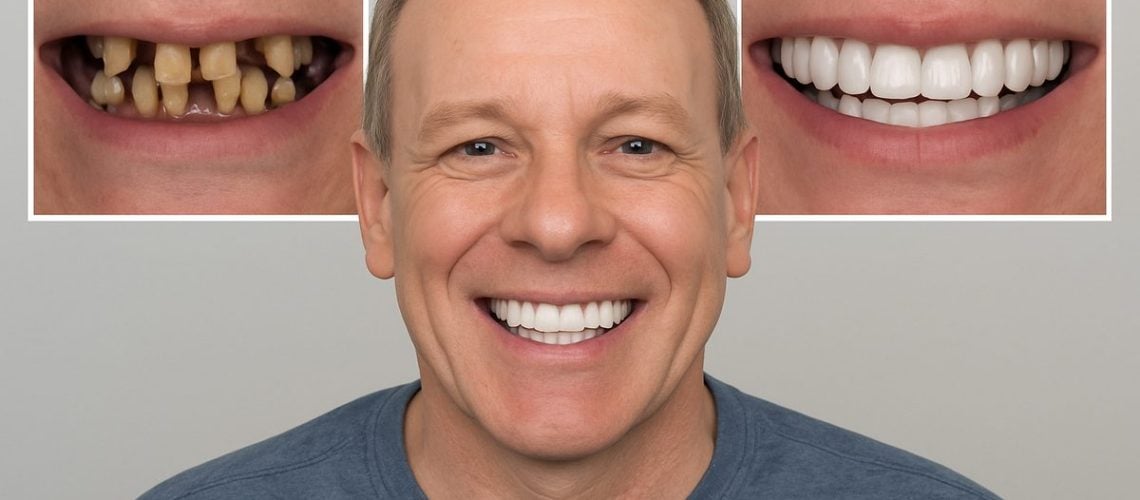
This post explains what implants dentals are, who can get them, the common types, what to expect during treatment, and how to choose a surgeon. If you’re thinking about replacing missing teeth or stabilizing loose dentures, this guide gives clear, practical information about dental implants and next steps. Quick overview: implants dentals means dental implants — titanium fixtures placed into the jaw that act like tooth roots and support tooth crowns, dental bridges, or full-arch prosthetics. You’ll learn basic parts, candidacy, procedures, risks and benefits, modern tech that improves outcomes, cost drivers, and common patient questions.
What are implants dentals?
Dental implants are small metal posts (usually titanium) placed into the jawbone. The main parts are the dental implant (root), abutment (connector), and the tooth crown or prosthetic (visible tooth). Some people call them implants dentals because of language differences; the important point is they replace the root, not just the visible tooth, for better stability and bone health.
Who is a good candidate for dental implants?
Good candidates have healthy gums, enough jawbone density, and overall good health. Common reasons people seek dental implants are one or more missing teeth, loose or ill-fitting dentures, or failed dental bridges. Smokers, uncontrolled diabetes, or severe bone loss may need extra care or treatments before dental implants are possible.
Types of dental implants and common restorations
Single-tooth dental implant
One dental implant plus a tooth crown replaces a single missing tooth. It looks and functions like a natural tooth and preserves nearby teeth because no bridge work is needed.
Multiple dental implants and implant-supported bridges
Two or more dental implants can support a dental bridge to replace several adjacent missing teeth. This uses fewer dental implants than individual tooth crowns and gives strong chewing ability.
Full-arch solutions (All-on-4, zygomatic options)
Full-arch restorations replace most or all teeth on an arch. All-on-4 uses four dental implants to support a full denture. Zygomatic dental implants anchor into cheekbone bone when upper jaw bone is insufficient.
What to expect during the dental implant procedure process
The process starts with consultation and 3D imaging, then planning. Surgery places the dental implant, followed by healing (osseointegration) which can take weeks to months. After the dental implant fuses, the abutment and final tooth crown or dental bridge are placed. Some practices offer same-day provisional teeth in select cases.
Benefits and risks of dental implants
Benefits: improved chewing and speech, natural appearance, preserves jawbone, and long-term value. Risks: infection, dental implant failure, nerve or sinus injury, and need for bone grafts. Reduce risk with quitting smoking, good oral hygiene, and following your surgeon’s care instructions.
Modern technology that improves dental implant outcomes
CBCT 3D scans, guided navigation, digital impressions, in-house milling and 3D printing, and PRF for healing all improve accuracy, shorten treatment time, and aid recovery. These tools let surgeons plan precisely and often provide better-fitting, faster restorations.
Cost, insurance, and paying for dental implants
Main cost drivers are the number of dental implants, bone grafts or sinus lifts, dental implant materials, and lab work. Dental insurance often covers only part of the cost. Common payment options include in-house financing, third-party medical/dental financing, and payment plans through the practice.
How to choose the right surgeon for dental implants
Look for board-certified surgeons with hospital residency training and experience with full-arch cases. Check sedation options, digital workflows, and an on-site lab. Texas Center for Oral Surgery & Dental Implants offers board-certified surgeons, 50+ years combined experience, an in-house lab, IV sedation, and transparent care.
Common patient questions about dental implants
– Does it hurt? Local anesthesia and sedation make surgery comfortable; mild discomfort after is normal. – How long is recovery? Most return to normal activities in days; full healing takes months. – How long do dental implants last? With good care, dental implants often last decades. – Is there an age limit? No strict limit; health matters more than age. – How to care for them? Brush, floss, and regular dental visits; treat like natural teeth.
Find Out If Dental Implants Are Right for You — Schedule a Consultation
If you think implants dentals might help you, contact us to book a consultation to review images and options. A specialist can explain treatment, timeline, and costs so you can decide with confidence.